Toyama
12月12日开放立山山麓滑雪场
北陆地区最大级别的滑雪区之一,位于富山立山群峰的山脚下。两个相连的雪区,可眺望富山湾,既有家庭雪道也有高手雪道,一张联票还可通滑三个雪场。
Based on local data and reviews
关于雪场
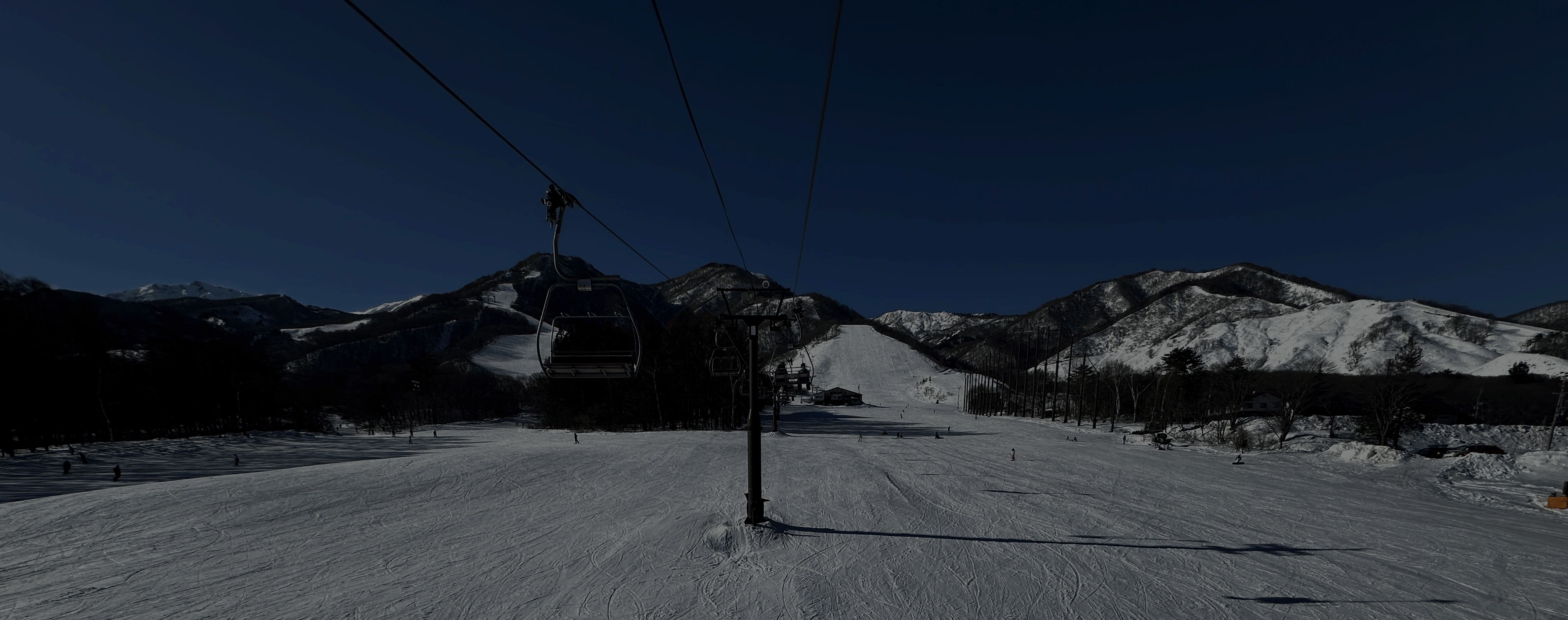
立山山麓滑雪场位于富山立山群峰的山脚下,是北陆地区最大级别的滑雪区之一。它由极乐坂和雷鸟谷两个相邻的雪区组成,两区在山顶相连。一张“立山山麓”联票还覆盖相邻的 Awasuno 滑雪场,一张票可通滑三个雪区。从上部雪道可以远眺富山平原和富山湾,晴天时还能看到远处的能登半岛。
这里的地形适合各种水平的滑雪者。山脚有宽阔平缓的雪道,适合初学者和家庭;山上则有变化更多的中级雪道和更陡的雪道,让有信心的滑雪者尽兴。山顶海拔约1,188米。大雪之后这一带能滑到不错的粉雪,这里还承办过回转和猫跳的全国比赛赛道。场内有配备传送带和游乐设施的儿童公园、温泉(立山山麓温泉),山上餐厅的味噌猪肉汤和牛肉咖喱也很有名。
滑雪场靠近立山站——立山黑部阿尔卑斯路线富山一侧的门户。雪季运营日有滑雪巴士从立山站开往滑雪场。周末和节假日开放夜场滑雪。凭借它的规模、三雪场联票、家庭雪道和温泉,立山山麓很适合作为富山一侧滑雪之旅的据点。
官方网站:立山山麓滑雪场
交通指南
先给结论 — 详情见完整交通指南。
Klook北陆新干线车票(Klook)
联盟链接——Japow Guides 可能获得佣金,您无需额外付费。
位置与交通
地形与雪道
家庭出行最关心的几个数字。
7
雪道
8
缆车
30%
适合初学者
初级30%
中级50%
高级20%
单板公园无
野雪区无
雪票与价格
当前价格2025–26 season prices, for reference
1 日缆车票成人5,000日元
1 日缆车票儿童3,000日元
1 日缆车票老年暂无
滑雪课程
日语课程 JA
双板课程:暂无
单板课程:暂无
为什么你会爱上立山山麓滑雪场
北陆最大级别的滑雪区
两大相连区域,外加三雪场通票
立山山麓由极乐坂和雷鸟谷两个区域组成,在山顶相连。通票还覆盖隔壁的粟巢野雪场,一张票能滑三个雪场。山顶海拔约1,188米,山脚是宽阔的初级坡面,越往上雪道越多样。
眺望富山湾
平原、海湾,晴天还能看到能登半岛
从上部雪道可以眺望富山平原和富山湾的开阔景色,晴天时还能看到远处的能登半岛。立山连峰脚下的位置气势十足。大雪过后这里也有不错的粉雪,还曾承办过全国级回转和蘑菇道比赛的赛道。
家庭坡面与温泉
儿童乐园、缓坡,山脚还有温泉
山脚有宽阔平缓的坡面供初学者和家庭使用,儿童乐园配有魔毯和游乐设施。雪场内有立山山麓温泉,山上餐厅的味噌猪肉汤和牛肉咖喱料足量大,小有名气。水平不一的家庭可以让孩子在下方的简单坡面滑,高手去探索上部雪道。
旅行小贴士
帮你和孩子少排一小时队的小技巧。
🚌 Getting There
Shuttle runs every 30 minutes during peak season
🎿 Equipment Rental
Full rental sets available on-site. Reserve in advance during peak season.
Ski set: —/day • Snowboard set: —/day
💳 Payment Methods
Credit cards accepted at ticket counters and restaurants.
Cash preferred at some smaller vendors
🌨️ Best Time to Visit
January to February for the best powder conditions.
Weekdays are less crowded than weekends
立山山麓滑雪场最新动态
开放、关闭与雪况 — 翻译自官方发布。
常见问题
关于立山山麓滑雪场,大家问得最多的问题。
Essential items include warm clothing, waterproof gear, gloves, goggles, and sunscreen. Most resorts offer equipment rental, but bringing your own gear is also an option.
Most major ski resorts in Japan have English-speaking staff, especially at information desks, rental shops, and ski schools. However, learning basic Japanese phrases can enhance your experience.
The best time is typically from late December to early March, with January and February offering the best snow conditions. March provides longer daylight hours and milder weather.
Most resorts are accessible by train and bus from major cities like Tokyo. The Japan Rail Pass can be very useful for getting around, and many resorts offer shuttle services from nearby stations.
Options range from luxury hotels to traditional ryokans and budget-friendly hostels. Many resorts offer ski-in/ski-out accommodation, while others are located in nearby towns with shuttle services.
还有疑问?联系我们
 Tak创始人 · Japow Guides
我住在东京,是一名单板滑雪者,也是两个孩子的父亲,在日本的雪山上滑了 20 多年。我亲自去过的雪场会标注“Visited”,并附上我的第一手笔记;其他雪场的内容整理自公开的雪场数据和当地评价,我会随着时间补充自己的笔记。